
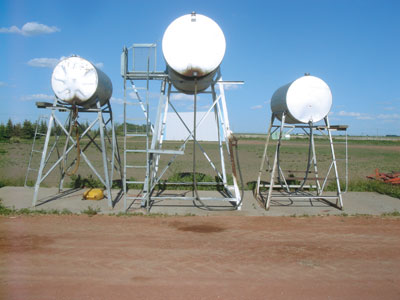
Rising Fuel Costs: The Heavy Burden on Canadian Farmers
Diesel and gasoline prices have surged again in early 2026, driven by global tensions and energy market volatility. For Canadian farmers — who rely heavily on fuel to plant, harvest, transport, and power operations — these increases are far more than an inconvenience at the pump. They represent a direct threat to profitability, productivity, and the long-term viability of family farms across the country.
Fuel: An Essential — and Expensive — Input
Farming is one of the most energy-intensive sectors in Canada. Tractors, combines, sprayers, and trucks all run primarily on diesel. Energy costs already form a significant portion of farm operating expenses. In Ontario alone, approximately $1.25 billion went directly to energy in 2024, and producers are now facing potential increases of up to 40% in those costs due to recent diesel price spikes.
Similar pressures are felt on the Prairies, where large-scale grain and livestock operations depend on fuel for tillage, seeding, harvesting, and hauling grain or cattle to market. In Alberta and Saskatchewan, ranchers and crop producers face the added challenge of vast distances — meaning higher transportation costs for inputs and outputs alike.
When diesel prices rise sharply, farmers cannot easily pass those costs on to buyers. They sell at the farm gate or through contracts where prices are often set months in advance. The result is a classic “cost-price squeeze”: input expenses climb while revenue lags.
Ripple Effects Across the Farm and Food System
Rising fuel costs don’t stop at the tractor. They flow through the entire supply chain:
- Fertilizer and inputs: Many fertilizers are energy-intensive to produce. Global spikes in natural gas and oil prices push urea and other nutrient costs higher — sometimes by 30–50% in short periods.
- Transportation: Moving grain, livestock, fruit, or vegetables from farm to processor or retailer becomes more expensive. This is especially acute for perishable goods like fresh produce from Ontario orchards or British Columbia berries.
- Overall farm profitability: Higher energy costs contribute to broader inflation in farm inputs. Farm Credit Canada and other analysts have noted that elevated fuel and fertilizer prices squeeze margins, particularly for smaller and mid-sized operations that lack the scale to absorb shocks.
These pressures come at a time when many farms are already navigating weather volatility, labour shortages, and succession challenges. The average age of Canadian farm operators continues to rise, and younger generations often view farming as physically demanding with inconsistent returns.
Consumers eventually feel the impact too. Higher transportation and production costs can translate into elevated grocery prices, especially for meat, dairy, fruits, and vegetables — categories that rely heavily on trucking and refrigeration.
Limited Relief and Growing Concerns
Governments have introduced some supports, such as Farm Credit Canada’s expanded credit lines (up to $500,000) to help producers manage unexpected market shocks, including energy price spikes. There are also fuel charge rebates and tax credits for farmers in certain provinces. However, these measures often provide only partial relief and do not fully offset the rapid cost increases seen in 2025–2026.
Many producers describe fuel volatility as “one more straw on the camel’s back.” Without the ability to quickly adjust selling prices, farms absorb the hit to their bottom line, reducing reinvestment in equipment, infrastructure, or sustainable practices.
Building Resilience Through Community Support
In the face of these challenges, innovative solutions are emerging that go beyond traditional subsidies or debt. Models that connect everyday Canadians directly with farmers can provide meaningful relief by improving cash flow at critical times — such as before planting or during high-input seasons — without requiring producers to take on more loans or give up control of their land.
IIF Canada offers one such approach. Through its regulated share farming platform, members of the IIF community can invest in real Canadian farming programs (including livestock, grains, and horticulture). This provides producers with seasonal working capital tied to actual production, sharing both risks and rewards of each season. Farmers gain flexibility to manage rising input costs like fuel and fertilizer, while members gain transparent access to the farms that feed us — and the satisfaction of supporting resilient Canadian agriculture.
By fostering direct partnerships between consumers and producers, initiatives like IIF help strengthen rural economies, improve transparency in the food system, and build long-term value for everyone involved.
Looking Ahead
Fuel prices are likely to remain volatile amid global events, geopolitical tensions, and the transition toward lower-carbon energy. For Canadian farmers, this underscores the need for diversified income streams, efficiency gains, and stronger connections with the public that relies on their work.
Rising fuel costs highlight a simple truth: when farmers struggle, the entire food system feels the strain — from rural communities to urban dinner tables. Supporting forward-thinking producers through community investment and policy that values domestic food production is not just good for farms; it’s essential for Canada’s food security, economic resilience, and the health of future generations.
Sign up for the waitlist today to learn more about joining the IIF community and backing Canadian farmers directly. Together, we can help create a more stable and sustainable agricultural sector — one season at a time.