Experts Weigh In: What Will Canadian Agriculture Look Like in 2026 and Beyond?
Will cutting-edge technology dominate the future of farming in Canada? Or will we see a shift toward simpler, more regenerative, less interventionalist approaches that work in harmony with nature?
In this short article, we examine both possibilities, with insights from experts and the latest 2025–2026 data on technology adoption across Canadian farms.
The Tech-Driven Vision: Precision Agriculture Takes Hold
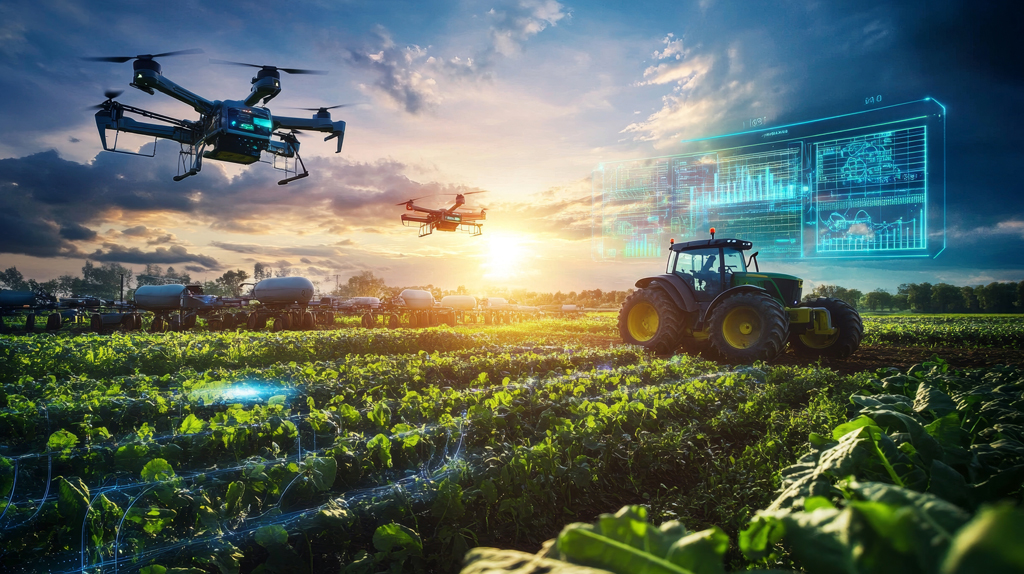
Canada is steadily embracing digital agriculture. According to recent analyses, large-scale operations are leading the charge. In 2025, 81% of farms over 5,000 acres were already using or planning to adopt at least one digital agriculture tool, compared to 76% of medium-sized farms (2,000–5,000 acres) and just 36% of smaller farms (under 2,000 acres). Overall, more than 60% of Canadian farms are projected to implement AI-based precision agriculture technologies by the end of 2025, with adoption accelerating into 2026.
The vision mirrors programs like those from provincial departments and federal initiatives under the Sustainable Canadian Agricultural Partnership. Sensors, drones, AI analytics, GPS-guided equipment, and IoT-connected systems collect real-time data on weather, soil moisture, crop health, irrigation, and livestock movement. This data feeds into farm management platforms that help producers make smarter, faster decisions — optimizing inputs, reducing waste, and improving yields by 10–20% while cutting water and fertilizer use by 15–30% in many cases.
On the Prairies, variable-rate technology is becoming common for seeding and fertilizing canola and wheat. In Ontario greenhouses and British Columbia orchards, automated climate control and robotic harvesting systems are reducing labour demands. Livestock operations in Alberta use camera systems and sensors for health monitoring, cutting down on manual checks during calving season.
Government grants, training programs, and connectivity initiatives are helping bridge the gap, though rural broadband remains a challenge in some regions. The potential is significant: experts estimate that wider adoption of digital tools could unlock an additional $750 million to $1.5 billion in annual revenue for Canadian agribusiness over the coming decade.
The Regenerative Shift: Embracing Natural Capital
Not everyone sees the future as purely high-tech. A growing number of experts and producers are advocating for “Farming for the Future” approaches that prioritize ecological management and natural capital — remnant native vegetation, healthy pastures, riparian zones, soil health, and biodiversity.
In this model, decisions around lending, retail partnerships, and consumer purchases increasingly reward farms with strong environmental scorecards. Regenerative practices — cover cropping, rotational grazing, agroforestry, and reduced synthetic inputs — build resilience against drought, extreme weather, and input price volatility. Improved soil carbon and ecosystem services can even open new revenue streams through carbon markets or premium pricing for sustainable products.
Alasdair MacLeod-style thinking resonates here: investing in natural capital delivers multiple benefits — drought resilience, lower reliance on expensive synthetics, more stable profits, and opportunities to monetize ecosystem services. Many Canadian producers are already seeing these gains on the ground, particularly in mixed livestock-crop systems on the Prairies and in smaller-scale horticulture operations.
Water storage, natural shelter belts to reduce heat stress on animals, and reversing some historical land clearing are becoming priorities as climate patterns grow less predictable.
Mega Farms vs. Niche Producers: Size and Scale in Question
The rise of larger operations continues. Average broadacre farm sizes have grown, and corporate entities manage millions of hectares across the country. However, experts from organizations like the International Fund for Agricultural Development caution that mega-farm models often concentrate profits among a few owners and shareholders, while contributing to biodiversity loss and reduced genetic diversity in crops and livestock.
In contrast, a future with more niche, smaller-scale producers could bring greater variety — heirloom vegetables, specialty grains, and direct-to-consumer models via farmers’ markets and community-supported agriculture. The influx of diverse culinary influences and consumer demand for traceable, sustainable food is already driving this shift in provinces like Ontario, Quebec, and British Columbia.
What Does This Mean for Canadian Farmers and Consumers?
We can’t predict the exact mix, but 2026 data suggests a hybrid future: larger farms leveraging precision tech for efficiency, while smaller and mid-sized operations blend regenerative practices with accessible AgTech tools (drones, sensors, and AI platforms) to stay competitive.
Challenges remain — high upfront costs, skills gaps, rural connectivity issues, and uneven adoption that favours bigger operations. Yet the upside is clear: technology and ecological approaches together can boost productivity, cut environmental impact, improve resilience, and strengthen rural communities.
At IIF, these trends excite us. We connect everyday Canadians with forward-thinking producers who are adopting innovative practices — whether precision tools for grain operations or regenerative methods for livestock and horticulture. Through our regulated share farming platform, members provide seasonal working capital that helps farmers invest in technology or natural capital improvements without taking on more debt. In return, investors gain transparent access to real Canadian farms and share in the risks and rewards of each season.
This community-driven model builds stronger connections between consumers and the land, supports family farms, and creates lasting value for Canada’s food system.
Sign up for the waitlist today to be among the first to join the IIF community and back the farmers shaping agriculture’s future. Together, we can help Canadian producers thrive — whether through smart technology, regenerative stewardship, or both.